Salinas y Arenales de San Pedro del Pinatar
Natural Park · Murcia, Spain
Discover Salinas y Arenales de San Pedro del Pinatar
Welcome to the Salinas y Arenales de San Pedro del Pinatar Regional Park, widely recognized as the central Salinas y Arenales de San Pedro del Pinatar. Located in the heart of San Pedro del Pinatar, in the Region of Murcia, Spain, this destination is the natural hub for travelers visiting the area. This unique ecosystem combines salt flats, coastal dunes, and Mediterranean habitats, making it a paradise for nature lovers and birdwatchers.
Visit Tips
- The park is accessible year-round with free admission.
- Bring binoculars for excellent birdwatching opportunities.
- Wear comfortable shoes for walking on sandy paths.
- Visit during sunrise or sunset for the best photography.
Highlights
- Salt flats and lagoons
- Sand dunes of Playa de la Llana
- Diverse bird species (flamingos, avocets)
- Mediterranean coastal scenery
About Salinas y Arenales
History & Legends
From ancient Roman salt flats to today's internationally protected wetland
The Beginnings of Salt Making
Salt was one of humanity's earliest trade goods, called 'white gold' by the Romans. Archaeological evidence shows that salt was already being produced from the coastal pans here in Roman times. Roman roads linked the interior to this coast, and salt was shipped across the Empire from these flats.
The Golden Age of Salt-Pan Technology
During Al-Andalus, Moorish engineers brought advanced water-management and evaporation techniques, turning the old coastal pans into a systematic network of evaporation ponds. The very name 'Salinas' (salt pans) grew out of this long and inseparable local tradition of salt making.
The Crown's 'Salt Tax'
In the late Middle Ages and early modern period, salt was a royal monopoly in the Kingdom of Castile. The salt flats of San Pedro del Pinatar operated as a royal saltern, becoming a significant source of Crown revenue. The transport and sale of salt were tightly controlled, and smuggling it was a serious crime.
Modern Salt Industry and the Seaside Town
From the 19th century onward, salt production became industrialized and output grew sharply. Around the salt flats and fishing, San Pedro del Pinatar gradually grew from a fishing hamlet into a coastal town. Salineros (salt workers), fishermen, and sailors form the earliest social memory of the area.
Birth of the Regional Park
To protect this unique mosaic of salt pans, dunes, and wetlands, the Regional Government of Murcia designated the area a 'Regional Park' (Parque Regional) in 1985 — among the first protected areas in Spain centred on salt-marsh wetlands.
International Wetland Protection
In 1994 the park was listed under the Ramsar Convention as a Wetland of International Importance, and it is also part of the EU Natura 2000 network (a Special Protection Area, ZEPA, and a Site of Community Importance, LIC). Today it is one of the most important flamingo and migratory-bird habitats on the western Mediterranean coast.
Place Names & Local Legends
'Saint Peter' and the 'Pine Grove' in the Town's Name
'San Pedro' (Saint Peter) refers to the patron saint of fishermen in Catholic tradition — locally, fishermen traditionally prayed for his protection before setting out to sea, and the Fiestas de San Pedro in late June are still the town's liveliest festival. 'Pinatar' comes from the Latin 'pinus' (pine), referring to the coastal pine groves and dunes. Together, 'Saint Peter's Pine Grove' captures both the fishing and the natural heritage of this coast.
The 'White Gold' Legend of the Salt Pans
An old saying has been passed down among salineros (salt workers) for generations: 'Salt is the sweat left behind by the sun.' Legend has it that at the height of summer the sun pours its warmth into the pans, letting salt crystals grow on the bed like snow — and the family that harvests its pans before autumn gains salt that is especially white and commands the highest price. Romantic as it is, the tale reflects how deeply this community valued its salt, the lifeblood of this coast for centuries.
Note: These legends are local folklore passed down by word of mouth, shared here for cultural reference only.
How Salt Is Made: How the Salt Pans Work
Turning seawater into sea salt with the sun, the wind, and an age-old 'concentration line'
The salt pans of this park still use the traditional solar-evaporation method: seawater flows through a series of shallow ponds, evaporates and concentrates, and finally crystallizes into salt — almost entirely powered by natural energy.
Drawing in the seawater
Using tides or the traditional windmills, seawater is taken from the Mar Menor or the Mediterranean into the first storage ponds, where it settles and clarifies.
Concentration by evaporation
The water moves through successive shallow ponds. With large surfaces and a thin water layer, sun and wind speed up evaporation, raising salinity from about 3.5% in the sea to near saturation.
Crystallization
When the brine is nearly saturated it is fed into the shallowest crystallization ponds. As the water keeps evaporating, sodium chloride crystallizes first, forming snow-white salt on the bottom.
Harvesting and stacking
Salt workers gather the crystals with wooden rakes and pile them at the edge to drain and dry before bagging. Harvesting usually takes place from summer to early autumn.
A shared ecosystem
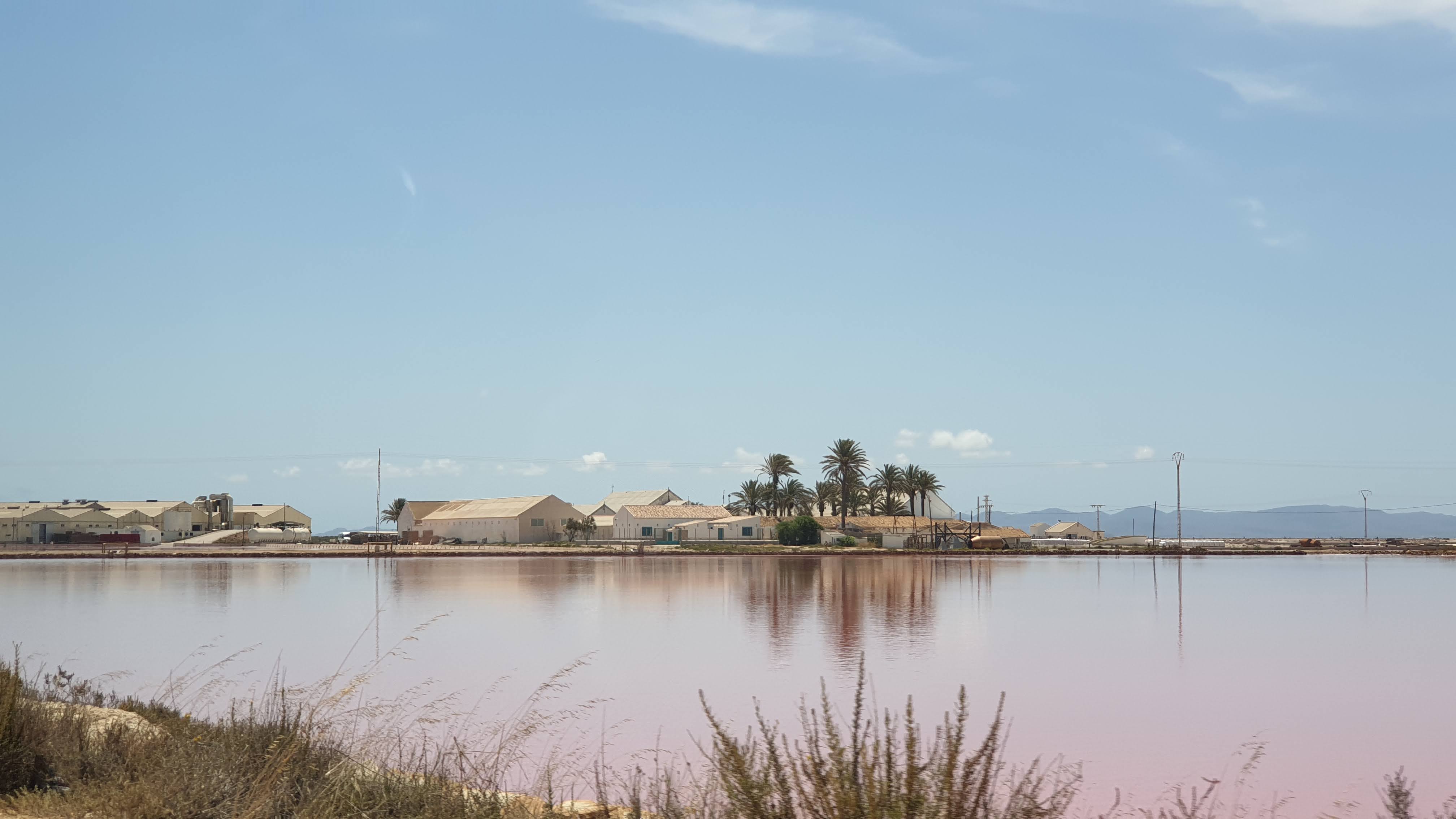
The ponds are also wetland habitat: the varying salinities support salt-tolerant algae, brine shrimp, and halophytes — which give some ponds their pink colour and attract flamingos to feed.
Note: The exact workings of the saltern and the areas open to visitors may change — check on site or with official sources.
Basic Information
Official Name
Parque Regional de las Salinas y Arenales de San Pedro del Pinatar
Attraction Type
Natural Park
Google Rating
4.6 (12,499)
Plus Code
R6MJ+4X San Pedro del Pinatar, Spain
Address
30740 San Pedro del Pinatar, Murcia, Spain
Visiting Hours
Site Access
Open year-round, 24 hours a day
Best Time to Visit
Spring: Bird migration season, pleasant temperatures
Summer: Early morning or evening to avoid heat
Best Time to Visit
Autumn: Bird migration, beautiful sunsets
Winter: Mild weather, ideal for walking
The park is open 24/7. The best birdwatching is during early morning or late afternoon.
Season by Season: When to Visit
Birdwatching, photography, and beach days each have their own best time
| Season | Birdwatching | Photography | Beach & Swimming | Crowds | Weather |
|---|---|---|---|---|---|
| Spring (Mar–May) | Spring migration peak — the most species of the year | Soft light, fresh green vegetation, blooming flowers | Sea still cool; great for coastal walks and views | Moderate | Warm and pleasant, occasional sea breeze |
| Summer (Jun–Aug) | Breeding season for residents; best early morning | Strong sun; low-angle light at sunrise and sunset is best | Best season for swimming | Busiest of the year; arrive early | Hot and dry — use sun protection and stay hydrated |
| Autumn (Sep–Nov) | Autumn migration peak; flamingos arriving | Golden light and beautiful sunsets | Sea still warm; crowds drop noticeably | Moderate | Mild and comfortable |
| Winter (Dec–Feb) | Best season for flamingos and wintering birds | Clear air; low sun is great for telephoto shots | Not for swimming; ideal for coastal walks | Fewest — the quietest time | Cool with occasional wind, still good for the outdoors |
Note: These are general patterns; bird numbers and weather vary each year. Check forecasts and official sources before you go.
Admission Information
Site Visit
Free admission
Parking
Free parking available at designated areas
Guided Tours
Available upon request at the interpretation center
How to Get Here
From Murcia City
Approximately 45km from Murcia city center. Take the A-7 motorway towards Cartagena, then exit towards San Pedro del Pinatar.
From Airport
Murcia International Airport (RMU) is approximately 15km away. Alicante Airport (ALC) is about 75km north.
From Cartagena
About 20km from Cartagena. Accessible by bus or car via the RM-3 and AP-7.
Public Transport
Interurban buses connect San Pedro del Pinatar with Murcia and Cartagena. Local buses serve the town.
Walking
The park is accessible on foot from San Pedro del Pinatar town center (approximately 2km to the main entrance).
Driving
Accessible by car via the AP-7 or RM-3. Follow signs to 'Salinas' or 'Parque Regional'.
About Salinas y Arenales
Historical Background
The salt flats of San Pedro del Pinatar have been in use since ancient times, with evidence of salt production dating back to the Roman era. The park was officially designated as a Regional Park to protect its unique natural and cultural heritage.
Ecosystem & Geography
The park covers 856 hectares and includes salt flats, coastal lagoons, sand dunes, and pine forests. It serves as a crucial stopover for migratory birds along the Mediterranean flyway.
Flora & Fauna
The park hosts over 130 species of birds throughout the year, including flamingos, avocets, terns, and gulls. The flora includes salt-tolerant plants, dunes vegetation, and Mediterranean scrubland.
Conservation Status
The park is protected under multiple international designations: it is a Ramsar Wetland of International Importance, part of the Natura 2000 network as both a Special Protection Area (ZEPA) and a Site of Community Importance (LIC).
Visitor Facilities
The park features several observation points, walking trails, and an interpretation center. There are information panels along the routes, and guided tours are available upon request.
Surroundings & Points of Interest
When visiting the Salinas y Arenales de San Pedro del Pinatar Regional Park, visitors can easily explore nearby natural landmarks, including the Mar Menor, the largest coastal lagoon in Europe, and Playa de la Llana, a stretch of protected dunes facing the Mediterranean Sea.
Birdwatching Guide: Species & Seasons
One of the most important wetland birdwatching sites in the western Mediterranean, with 130+ species recorded yearly
The birds present change noticeably with the seasons. The table below shows the typical seasonal status of common species — 'Common' means easy to see in that season. Bird numbers vary with water levels and from year to year; check on site.
| Representative species | Spr | Sum | Aut | Win |
|---|---|---|---|---|
Greater Flamingo Phoenicopterus roseus | ◐Scarce | ◐Scarce | ●Common | ●Common |
Pied Avocet Recurvirostra avosetta | ●Common | ◐Scarce | ●Common | ◐Scarce |
Black-winged Stilt Himantopus himantopus | ●Common | ●Common | ◐Scarce | —Absent |
Little Tern Sternula albifrons | ●Common | ●Common | ◐Scarce | —Absent |
Little Egret Egretta garzetta | ●Common | ●Common | ●Common | ●Common |
Black-headed Gull Chroicocephalus ridibundus | ●Common | ●Common | ●Common | ●Common |
Osprey Pandion haliaetus | ◐Scarce | —Absent | ●Common | ◐Scarce |
Eurasian Oystercatcher Haematopus ostralegus | ●Common | ◐Scarce | ●Common | ◐Scarce |
Birdwatching tips: early morning and late afternoon are when birds are most active. Stay quiet, use binoculars or a telephoto lens, never feed or disturb the birds, and keep to the trails and hides.
Recommended Route
A scenic walk through the salt flats and coastal dunes.
Start at the main parking area near the interpretation center
Walk along the southern observation trail for birdwatching
Visit the salt flats and observe traditional salt harvesting
Continue to the dunes of Playa de la Llana
End at the northern lookout point for sunset views
Trails at a Glance & Difficulty
Choose a route that fits your time and fitness
The park is mostly flat salt pans and dunes, so most paths are easy. Below are the common route types — lengths and times are approximate; always follow the signs on site.
Salt Pan Loop (Ruta Salinera)
EasyStart near the interpretation center and circle the ponds to watch traditional salt making, passing several bird hides. The most popular introductory route.
Llana Coastal Trail (Camino de la Llana)
EasyRuns along the coastal dunes to Playa de la Llana facing the Mediterranean. Walking on sand takes a bit more effort, but the views and sunsets are superb.
Cabezo de la Fuente Lookout
ModerateClimb the park's small hill for panoramic views over the salt pans, lagoons, and the Mar Menor. Some elevation gain; great for those who like heights.
Windmill & Seafront Loop (Molino de Quintín)
EasyLinks the traditional salt windmill, bird hides, and the Mar Menor seafront, with plenty of info panels — great for families on foot or by bike.
Tip: in summer start early to avoid the heat; sandy paths can be slippery after rain — wear grippy shoes and carry water.
Top Photo Spots
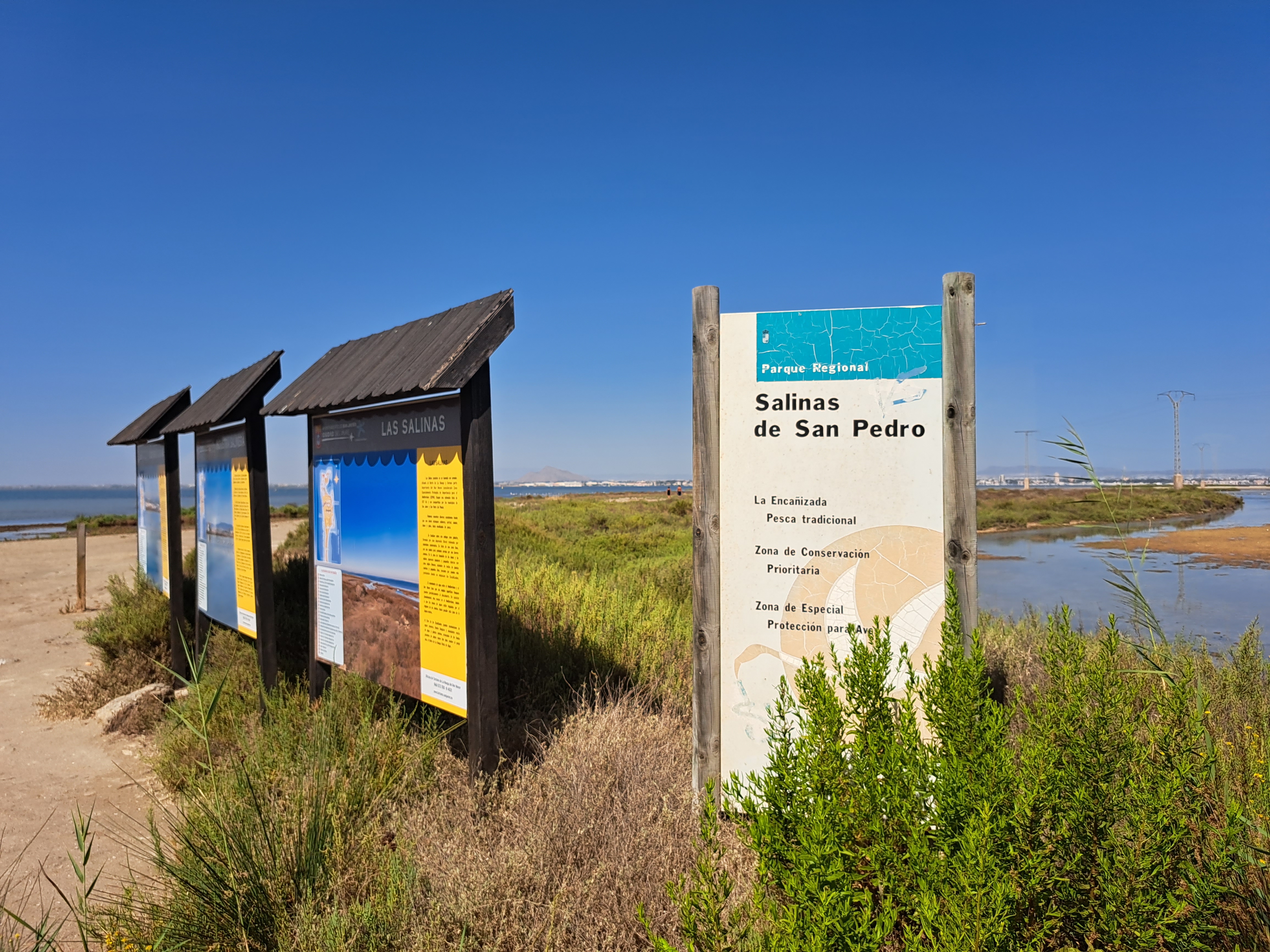
Salt Flats Lookout
The view of the salt flats with pink waters during evaporation season creates stunning reflections, especially at sunrise.
Bird Hide (Observatorio)
One of several birdwatching hides around the lagoons. Perfect for capturing flamingos and other wading birds.
Playa de la Llana Dunes
The sand dunes offer beautiful textures and coastal views, ideal for landscape and nature photography.
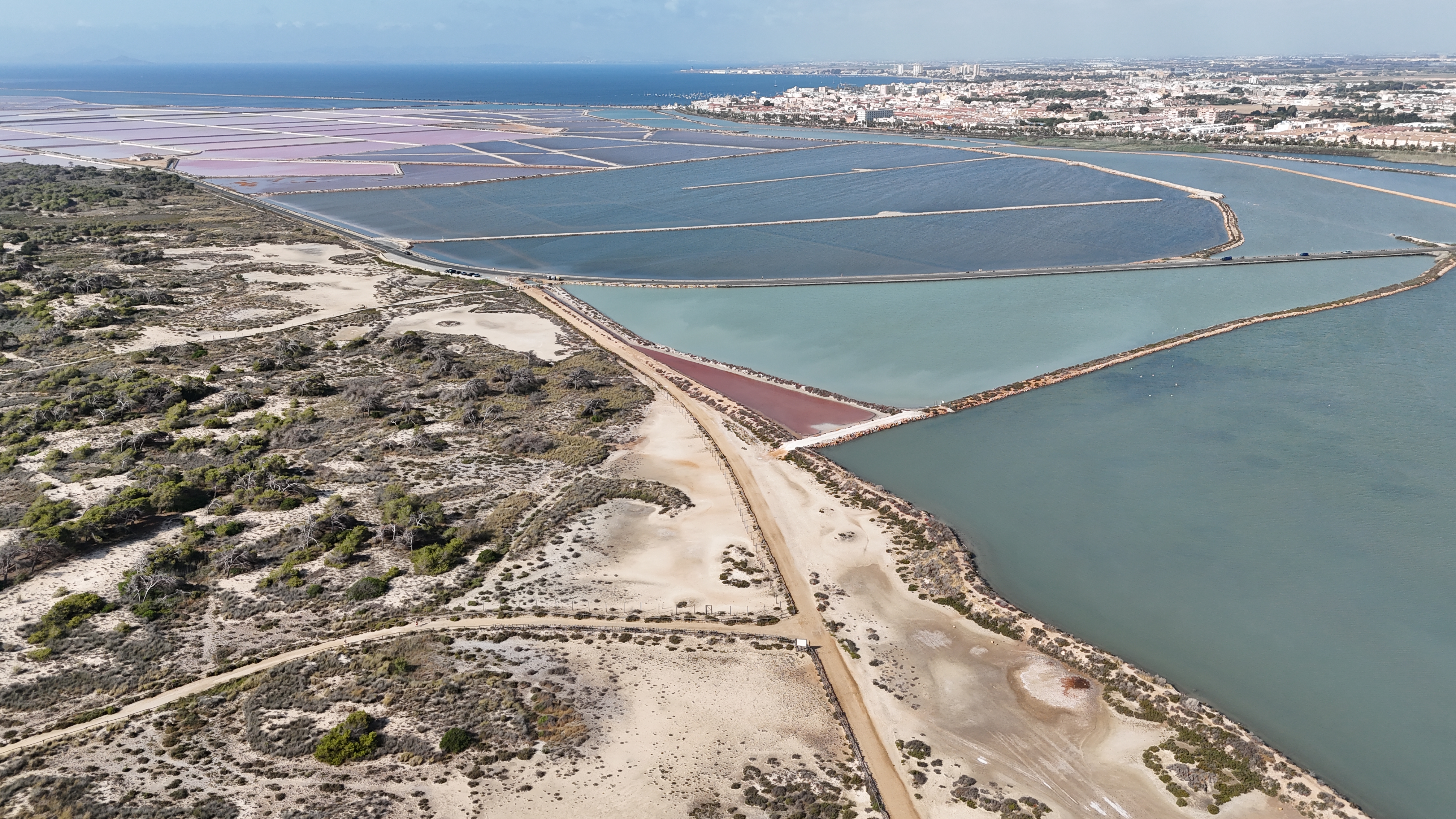
Sunset Viewpoint
The northern part of the park offers panoramic sunset views over the salt flats and the Mar Menor.
Visitor Facilities & Services
Neutral, objective facility types — no specific businesses are recommended
Below are the common types of services available in and around the park. Availability may vary; always check on site or with official sources.
Public Restrooms (WC)
Public restrooms are available near the main entrances, the interpretation center, and some birdwatching points. During peak summer hours they can get busy.
Tip: Some remote trail sections have no restrooms — plan ahead.
Parking
The park has several free parking areas, including a main lot near the interpretation center. Spaces fill quickly on weekends and in summer, so arrive early.
Tip: Never park on sand or outside designated areas — you may get stuck or damage the dunes.
Dining
There are no restaurants inside the park. The town of San Pedro del Pinatar and the seafront boulevard offer a wide choice of Mediterranean restaurants, cafés, snack bars, and ice-cream shops.
Tip: Open fires and large picnics are not allowed in most of the park — take your rubbish with you.
Accommodation
San Pedro del Pinatar and the Lo Pagán seaside district offer several types of accommodation, from hotels and aparthotels to holiday apartments and guesthouses, across all budgets.
Tip: Summer is high season — booking in advance is strongly recommended.
Supermarkets & Everyday Services
The town center has supermarkets, bakeries, butcher shops, pharmacies, and convenience stores where visitors can stock up on water, food, and sun protection.
Tip: Pharmacies (Farmacia) are good places for sunscreen and insect repellent.
Fuel & EV Charging
Petrol stations are available in town and along the AP-7 / RM-3 roads, several with convenience stores. EV drivers can find public charging points in town and in nearby urban areas.
Tip: Fill up before entering the park — fuel points are scarce on rural roads.
Photo Gallery
Scenic Views of Salinas y Arenales
Salt flats panorama
Flamingos at the lagoon
Sand dunes landscape
Birdwatching hide
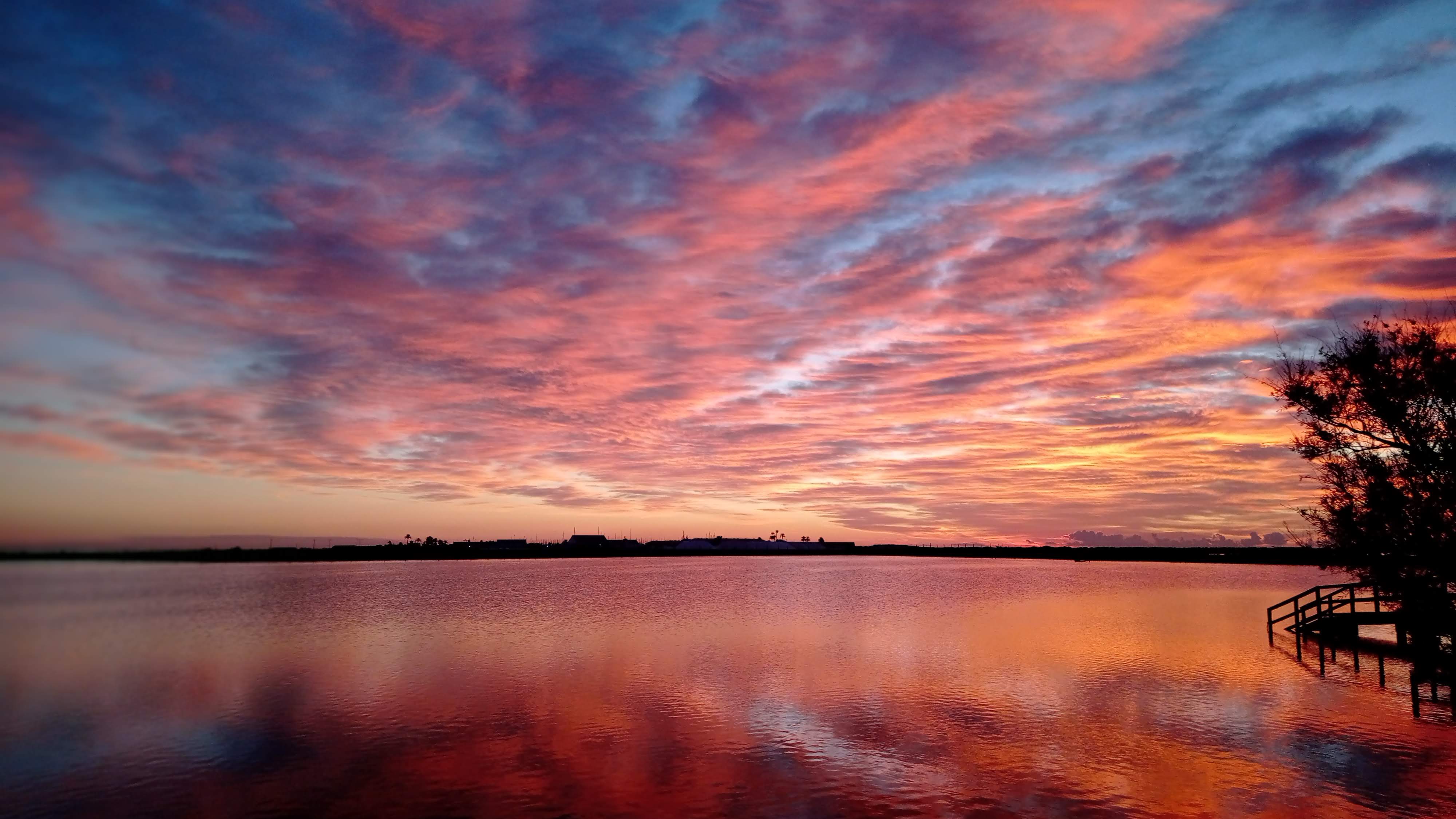
Sunset over the salt flats
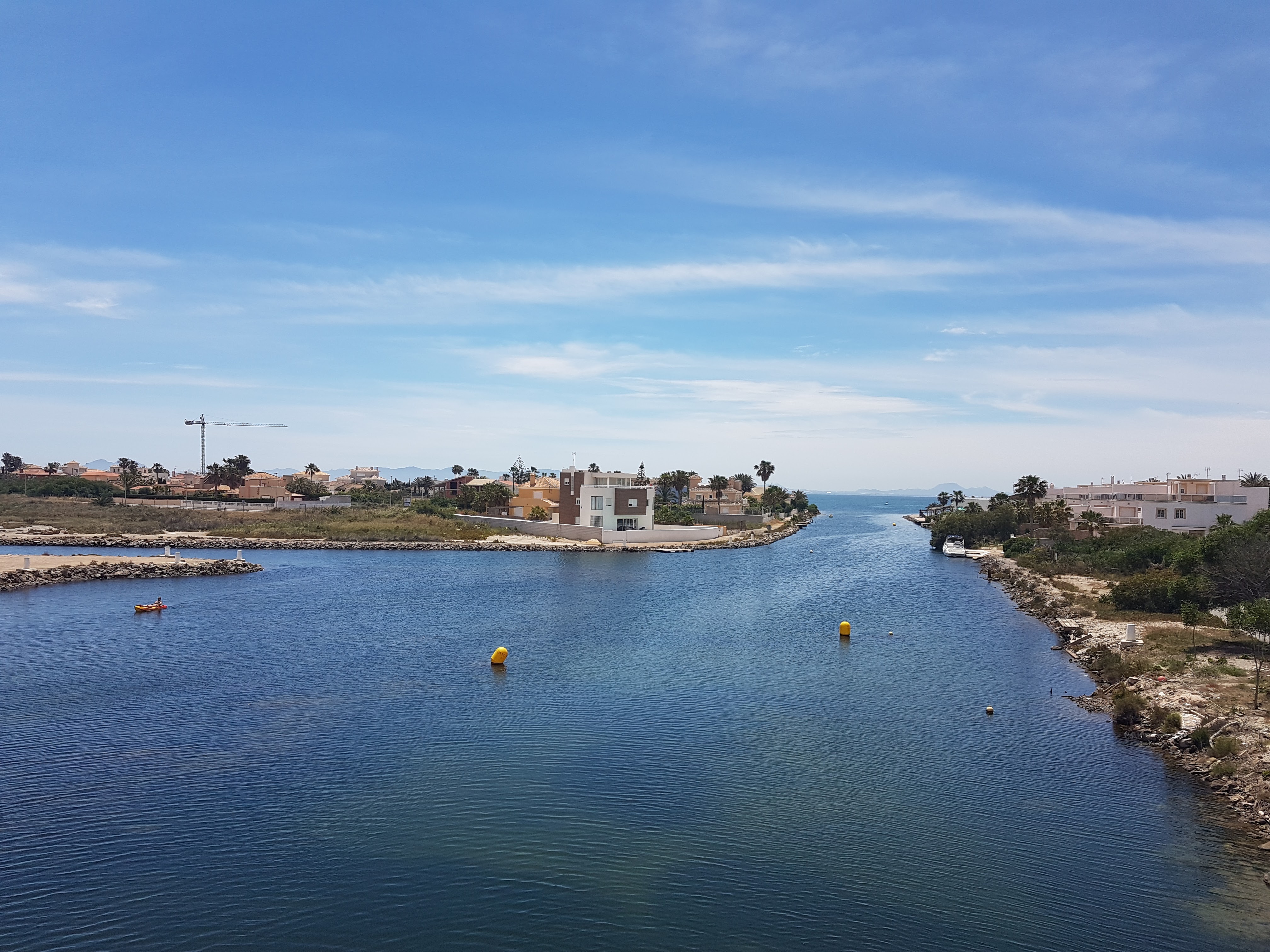
Mediterranean vegetation
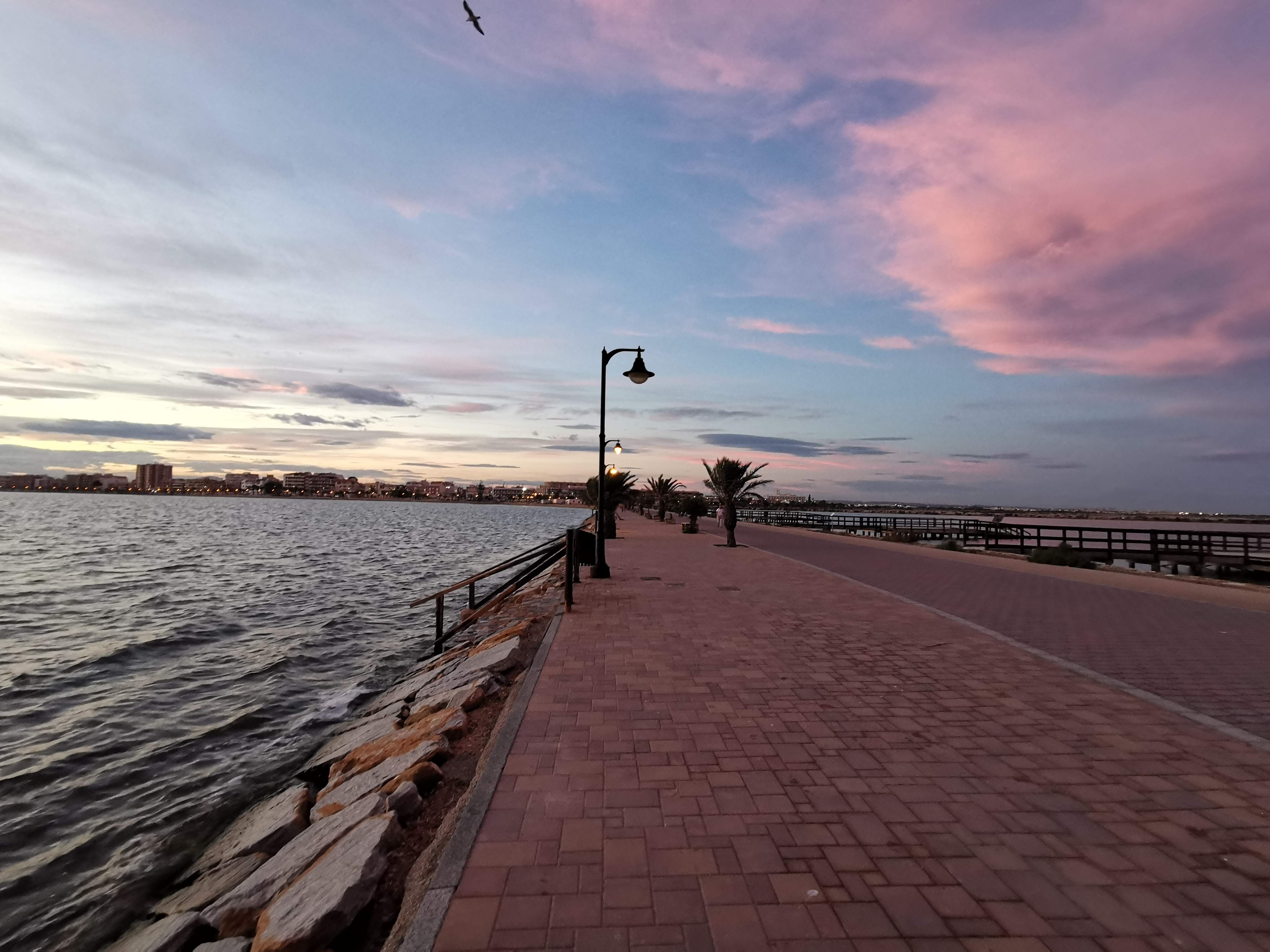
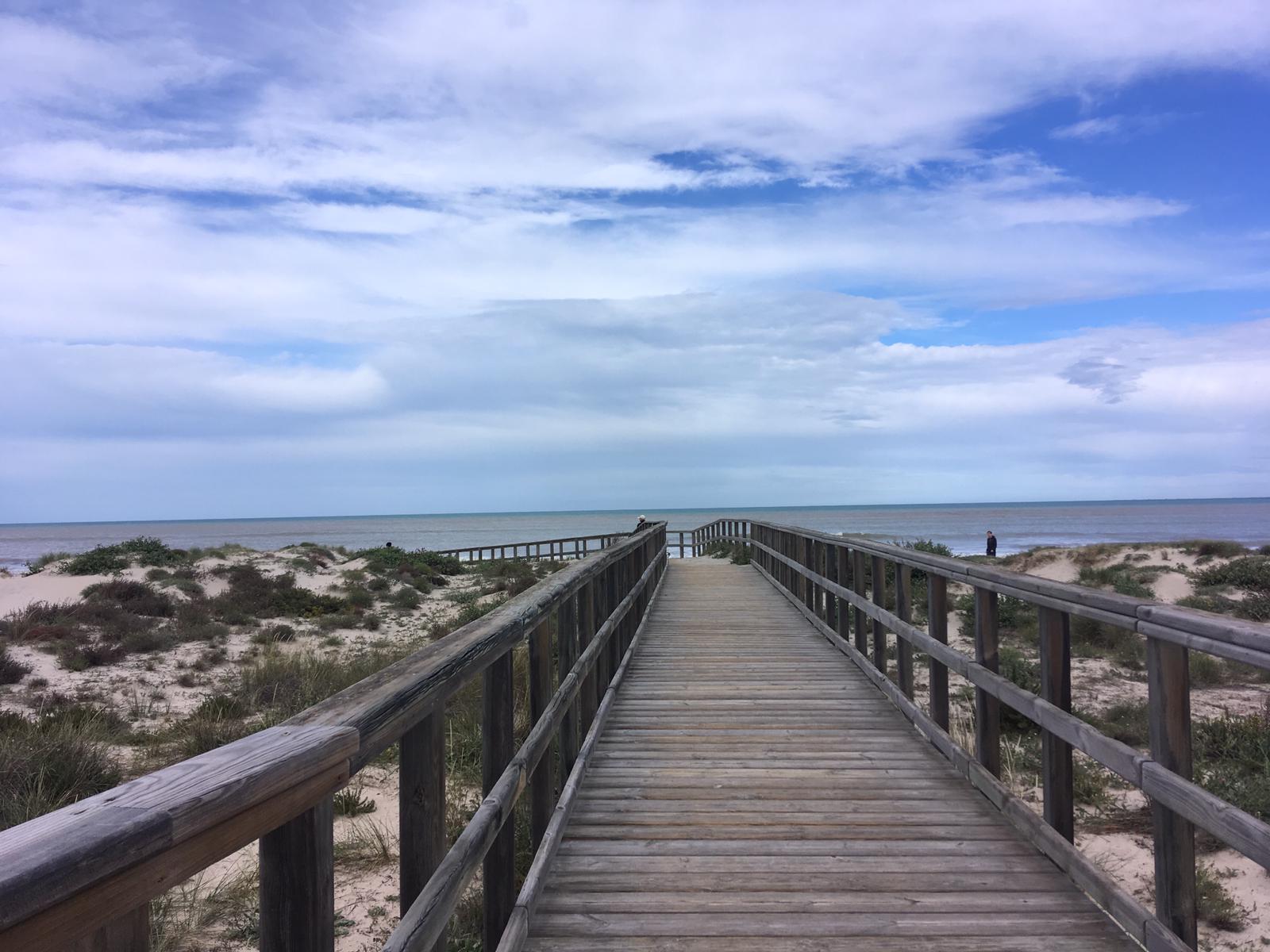
Coastal boardwalk
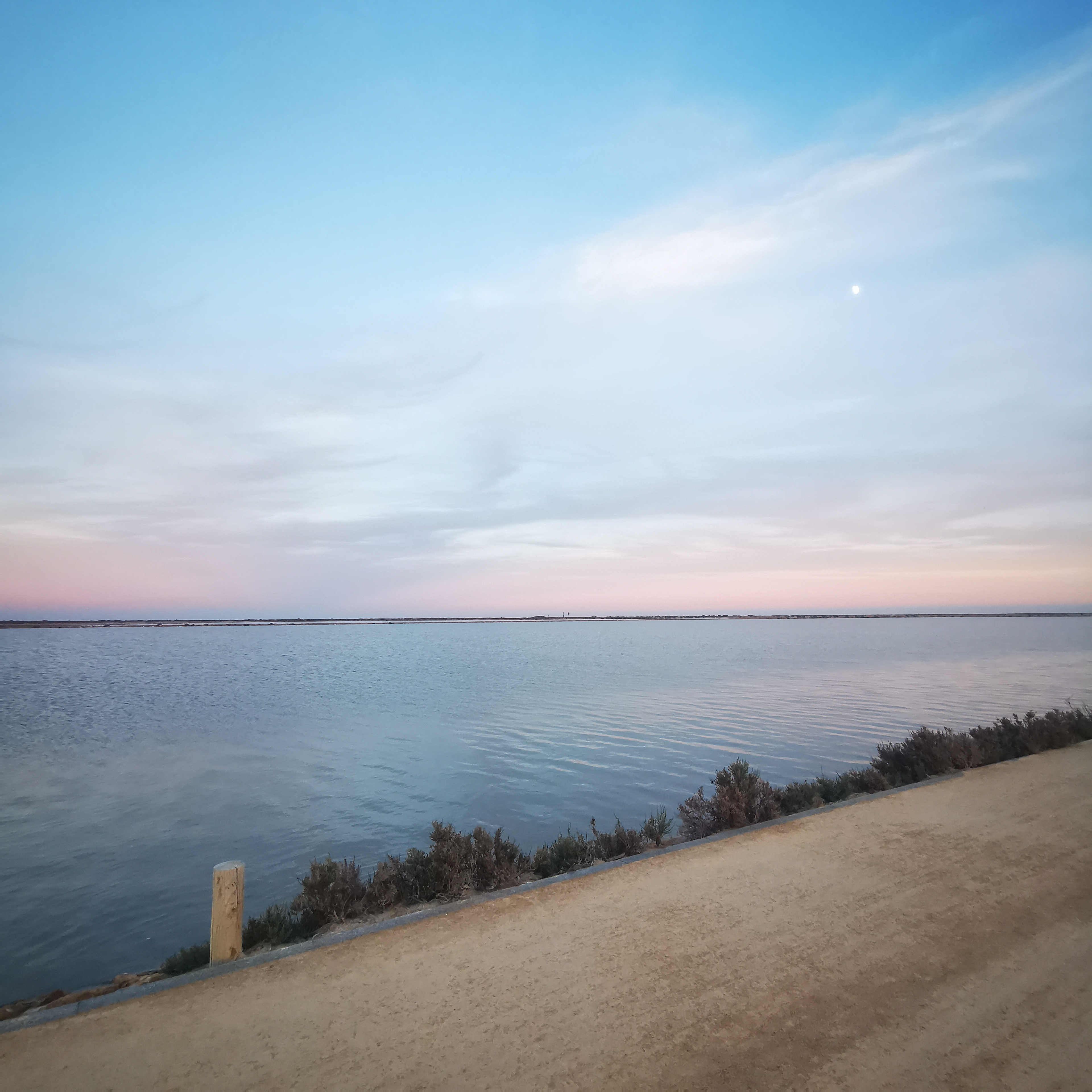
Traditional salt harvesting
Visitor Reviews
Visitor feedback can be viewed via Google Maps.
An absolutely spectacular natural park. The variety of birds you can observe here is incredible. A must-visit if you're in the Murcia region.
Beautiful place for a peaceful walk. The combination of salt flats, sea, and dunes is unique. Perfect for photography enthusiasts.
One of the best natural parks in the Region of Murcia. The interpretive panels are very informative, and the trails are well maintained.
Great place for birdwatching. We saw flamingos, avocets, and many other species. Go early in the morning for the best experience.
A hidden gem in San Pedro del Pinatar. The sunset views from the northern part of the park are breathtaking. Free entrance is a plus.
Perfect for a family outing. The kids enjoyed the interpretive center and looking at the birds through the binoculars. Very educational.
Common Myths & Facts
About the salt pans and the park — are these claims actually true?
"The water in the salt pans is pink because colour has been added."
No. The pink comes from salt-tolerant algae (Dunaliella salina) and halophilic microbes in the highly saline water; their natural pigments tint the ponds, and the colour deepens with salinity.
"If I go, I'm guaranteed to see the pink lagoon."
Not always. The pink is mainly visible during the evaporation/concentration phase (usually summer to early autumn) and depends on water levels and temperature. The pans have plenty to see all year — the pink is just one highlight.
"The park charges an entrance fee."
No. The park is free and open to everyone all year round; some guided activities run by the authorities are separate from any entrance fee.
"You can freely walk into the dunes and the ponds."
No. The ponds are working and ecological areas, mostly closed to the public, and dune vegetation is fragile. Stay on trails and viewing platforms to help protect bird habitat.
"Flamingos are here all year."
Flamingos are mainly migratory and wintering birds, most numerous in autumn and winter, with fewer in spring and summer. For large flocks, visit in winter or during the spring/autumn migrations.
"You can swim directly in the salt ponds."
No. The ponds are production facilities and swimming is not allowed. Swim at proper beaches such as Playa de la Llana or the Mar Menor shore.
Frequently Asked Questions
References & Sources
The science and facts on this site follow official and authoritative sources
To keep the content accurate and neutral, we consulted the following public sources. Click to verify on the official pages.
Ramsar Sites Information Service
The park's official entry as a Ramsar Wetland of International Importance (Ramsar Site No. 706).
Natura 2000 Network (EU)
Official data for the Special Protection Area (ZEPA) and Site of Community Importance (LIC), searchable in the EEA Natura 2000 viewer.
Regional Government of Murcia (CARM)
Official management information, announcements, and environmental policy for the regional park.
Murcia Region Tourism Portal
Official destination tourism information and events.
San Pedro del Pinatar Town Council
Local information, municipal activities, and community notices.
This site is an independent, non-profit educational project with no affiliation to the institutions above. External links are provided for verification only; always rely on the latest official information.
Map Location
30740 San Pedro del Pinatar, Murcia, Spain
For official updates and regional tourism information, visit the Official Tourism Portal of the Region of Murcia